Skip to content
AssureWhatsApp
WhatsApp+971 56 684 8148Call +971 56 684 8148

Open 24 hours, 7 days a week, on WhatsApp and phone

Abra ride in Dubai: stations, fares and routes across the Creek

A traditional abra crosses Dubai Creek for AED 1 per passenger per trip, paid in cash, between the Bur Dubai and Deira Old Souq stations. RTA also runs routes from Dubai Old Souq to Al Sabkha and Al Fahidi. The wooden boats leave when they fill, and you can charter one by the hour.

Updated

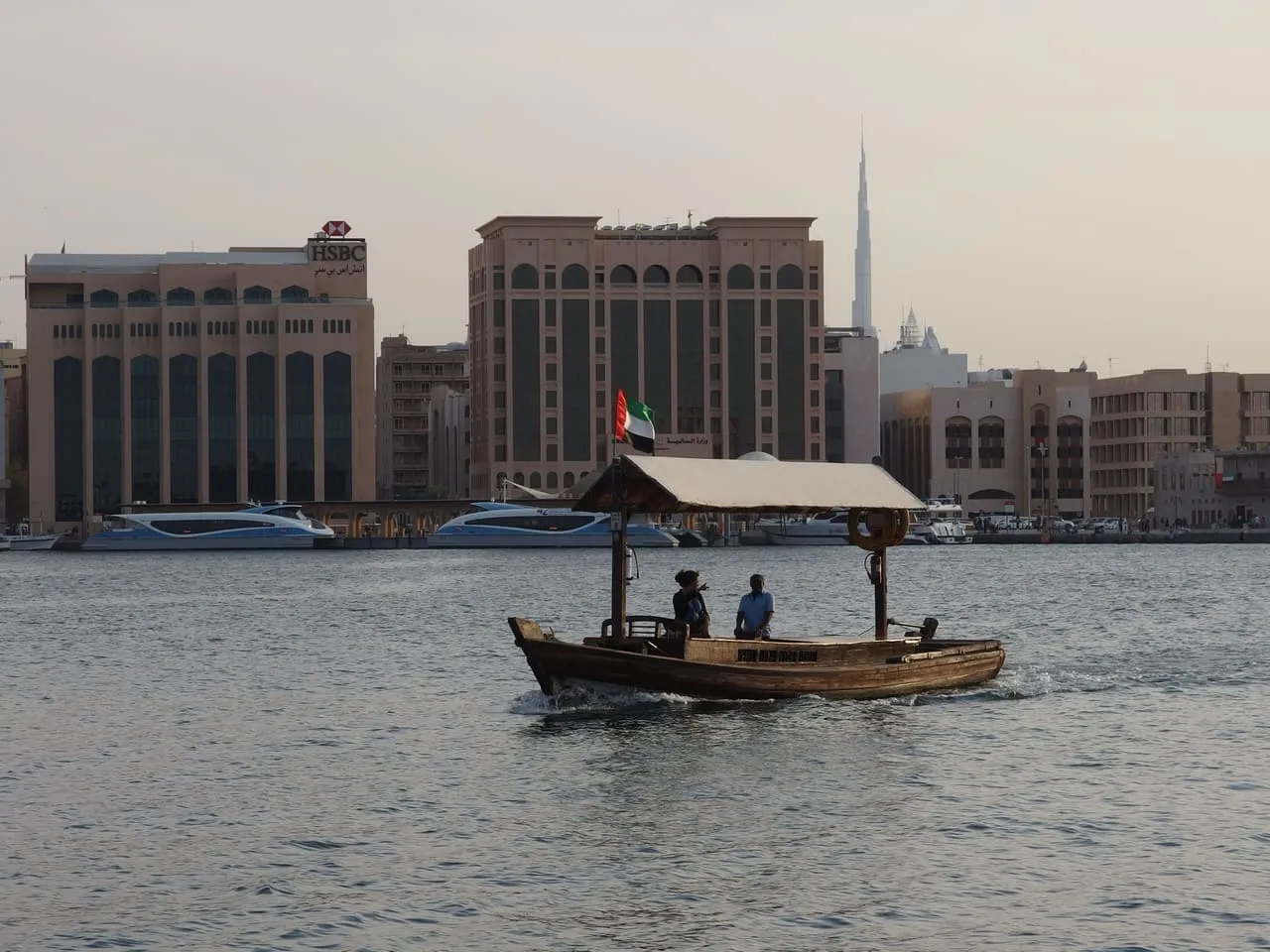
A wooden abra crossing Dubai Creek, with Burj Khalifa on the skyline behind
Guilhem Vellut / Wikimedia Commons, CC BY 2.0
On this page
  1. How do you take an abra across Dubai Creek?
  2. Abra stations and routes: Deira Old Souq, Bur Dubai, Al Sabkha, Dubai Old Souq
  3. How much does an abra cost, and how do you pay?
  4. Private abra hire for a creek tour
  5. Abra vs water taxi vs dhow cruise
  6. What to see on each bank before and after the crossing
  7. Where your driver can drop you and pick you up
  8. Photos in this guide

By Mohammed Rashad Hussain, Managing PartnerPublished 3 min read

How do you take an abra across Dubai Creek?

An abra ride in Dubai is a short crossing of the Creek on a small wooden boat, between Bur Dubai and Deira. There is no ticket office. You board, sit and pay the attendant in cash.

The boat leaves when it fills, so waiting times are short in daytime and longer late in the evening. RTA does not publish operating hours for the traditional abra on its marine page, so go in daylight if you need certainty.
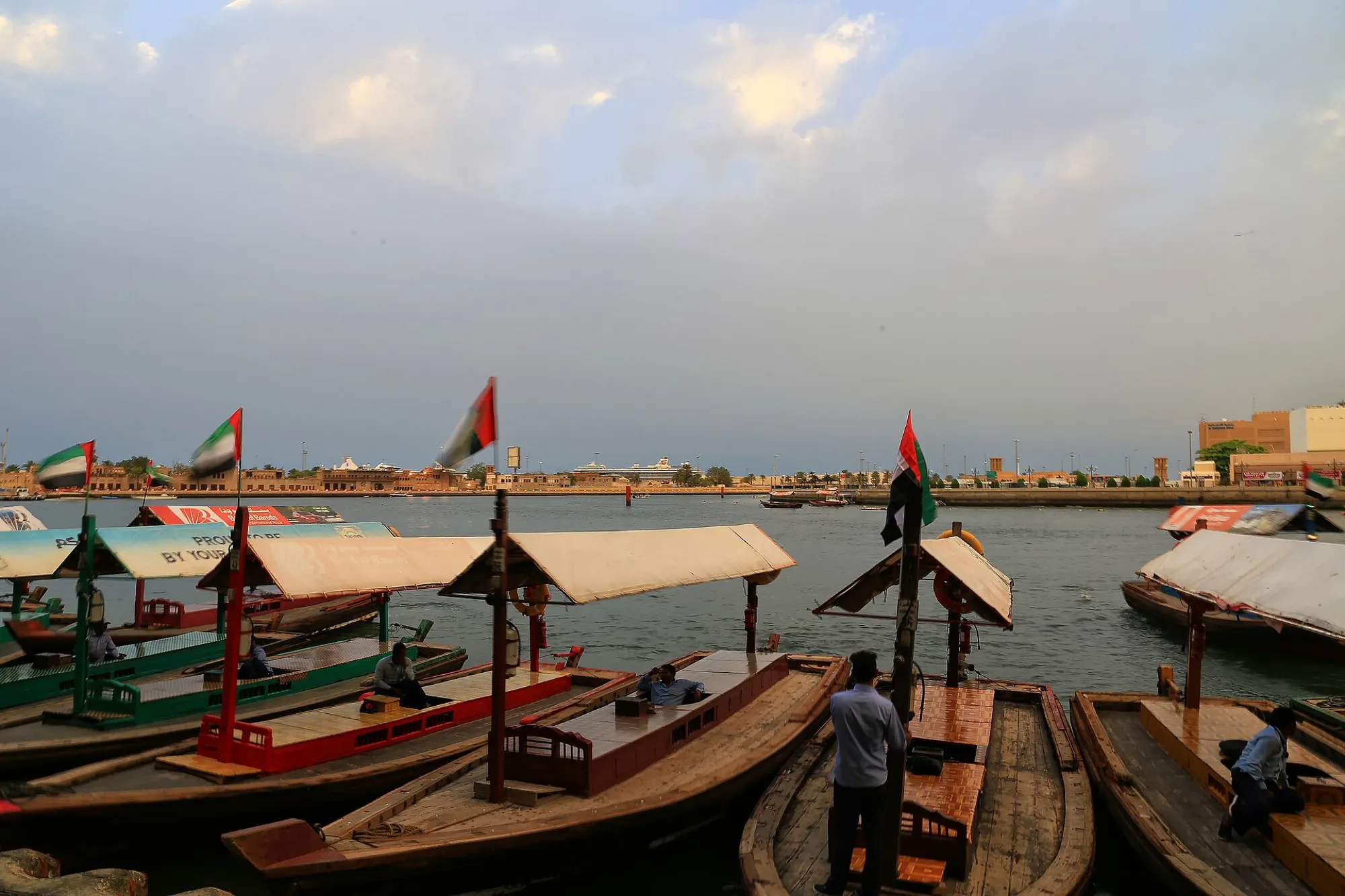
Wooden abras with UAE flags moored at the Bur Dubai abra station on Dubai Creek

Iwona Rege / Wikimedia Commons, CC BY-SA 4.0

Iwona Rege / Wikimedia Commons, CC BY-SA 4.0.

Abra stations and routes: Deira Old Souq, Bur Dubai, Al Sabkha, Dubai Old Souq

RTA names four stations for the motorised traditional abra: Bur Dubai, Deira Old Souq, Dubai Old Souq and Al Sabkha. Each route runs in both directions.

Route Between
CR1 Bur Dubai and Deira Old Souq
CR2 Dubai Old Souq and Al Sabkha
CR5 Al Fahidi and Deira Old Souq
CR7 Al Seef, Al Fahidi and Dubai Old Souq

RTA’s timetable page lists further lines, including CR3, CR4 and CR6. Read the current page before you go, because routes and stations are revised.
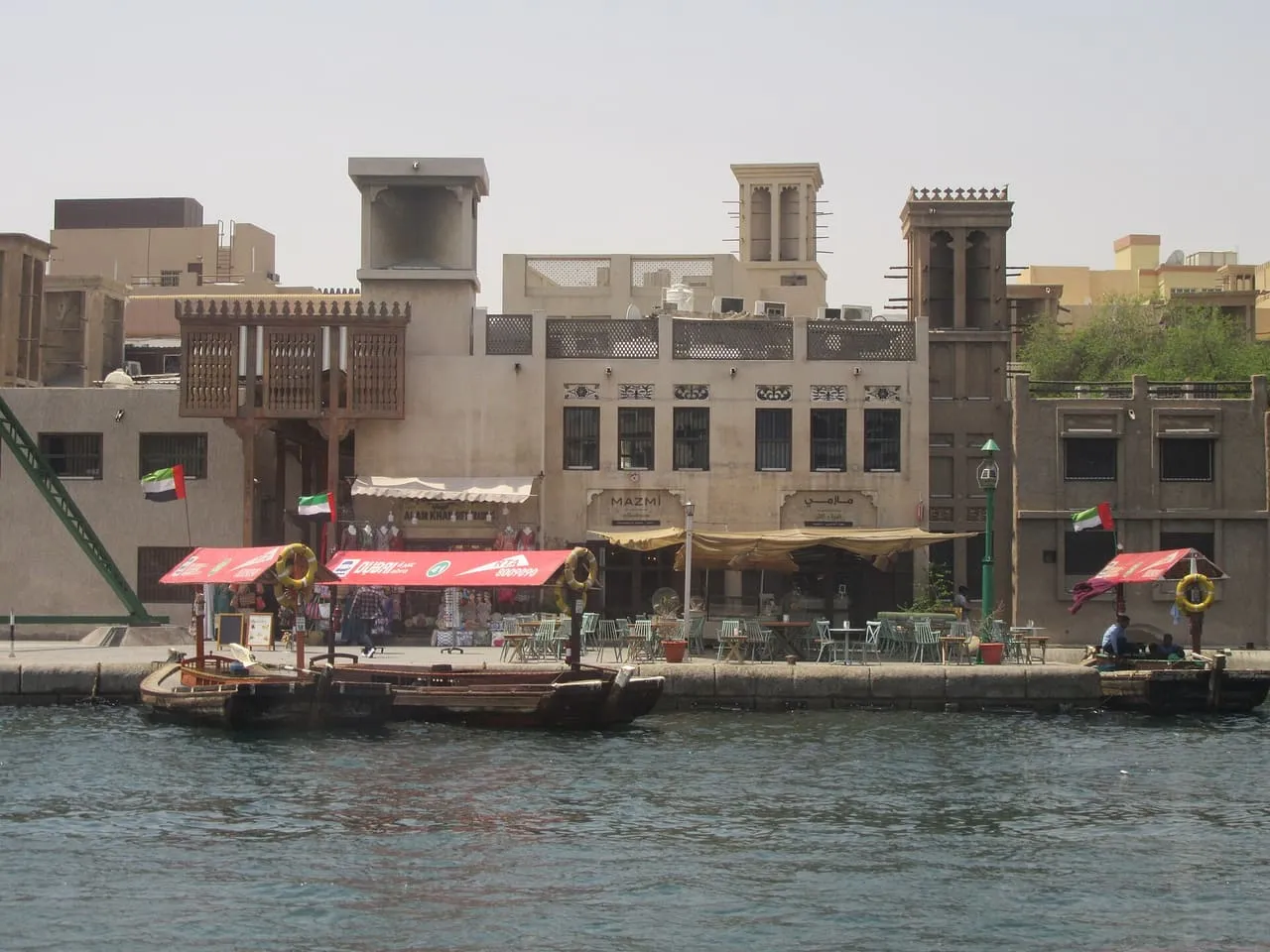
RTA abras moored at the Bur Dubai waterfront, below wind towers and heritage buildings

Alan & Flora Botting / Wikimedia Commons, CC BY-SA 2.0

Alan & Flora Botting / Wikimedia Commons, CC BY-SA 2.0.

How much does an abra cost, and how do you pay?

RTA lists the motorised traditional abra at AED 1 per passenger per trip, cash only. Keep small coins ready, because the attendant may not have change for larger notes.

RTA lists the electric abra separately, with routes from Dubai Mall and the Burj Plaza area and at Global Village. That service has its own fares and seats 8 passengers.

Private abra hire for a creek tour

A traditional abra can be chartered by the hour. RTA’s marine transport page gives AED 120 per hour. Its timetable page lists AED 300 or AED 580 per hour for up to 20 passengers and does not explain which applies. Ask RTA which rate fits your group.

For a longer, seated evening on the water with dinner, look at the dhow cruise on Dubai Creek.

Abra vs water taxi vs dhow cruise

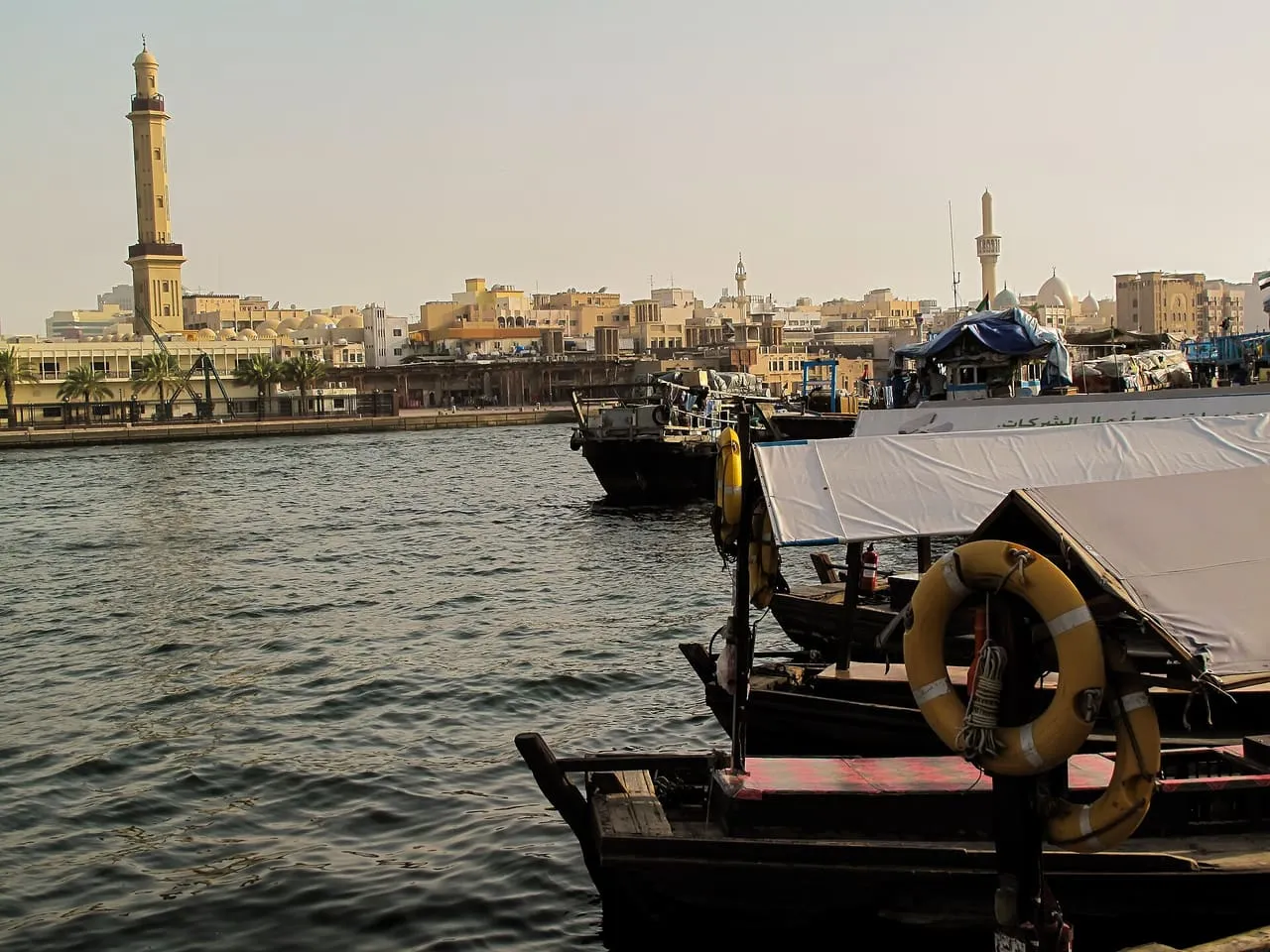
Abras moored on Dubai Creek, looking across the water to the minarets and low buildings of Bur Dubai

Francisco Anzola / Wikimedia Commons, CC BY 2.0

Francisco Anzola / Wikimedia Commons, CC BY 2.0.

What to see on each bank before and after the crossing

On the Bur Dubai side, Al Fahidi Historical Neighbourhood is a short walk from the water. Wind towers and small courtyards fill its lanes. The Deira side has the Spice Souk and the Gold Souk within a few minutes on foot of the Old Souq station.

Dress for walking and for heat. Between June and September, go before 10am or after sunset. The full list of sights and how they link is in places to visit in Dubai.

Where your driver can drop you and pick you up

The smoothest plan is a one-way walk. Your driver drops you at Al Fahidi, you cross to Deira by abra and the car waits on the Deira side. Ask for the exact meeting point on WhatsApp, because lanes near the souks are narrow and the meeting spot depends on the day.

Our Dubai city tour includes the Creek crossing, and a car with driver by the hour works if you want to set the pace. For other desert and day options, read Abu Dhabi vs Dubai desert safari, or browse day trips from Dubai.

Photos in this guide
  • A wooden abra crossing Dubai Creek, with Burj Khalifa on the skyline behindGuilhem Vellut / Wikimedia Commons, CC BY 2.0
  • Wooden abras with UAE flags moored at the Bur Dubai abra station on Dubai CreekIwona Rege / Wikimedia Commons, CC BY-SA 4.0
  • RTA abras moored at the Bur Dubai waterfront, below wind towers and heritage buildingsAlan & Flora Botting / Wikimedia Commons, CC BY-SA 2.0
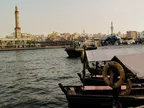
  • Abras moored on Dubai Creek, looking across the water to the minarets and low buildings of Bur DubaiFrancisco Anzola / Wikimedia Commons, CC BY 2.0
Read next

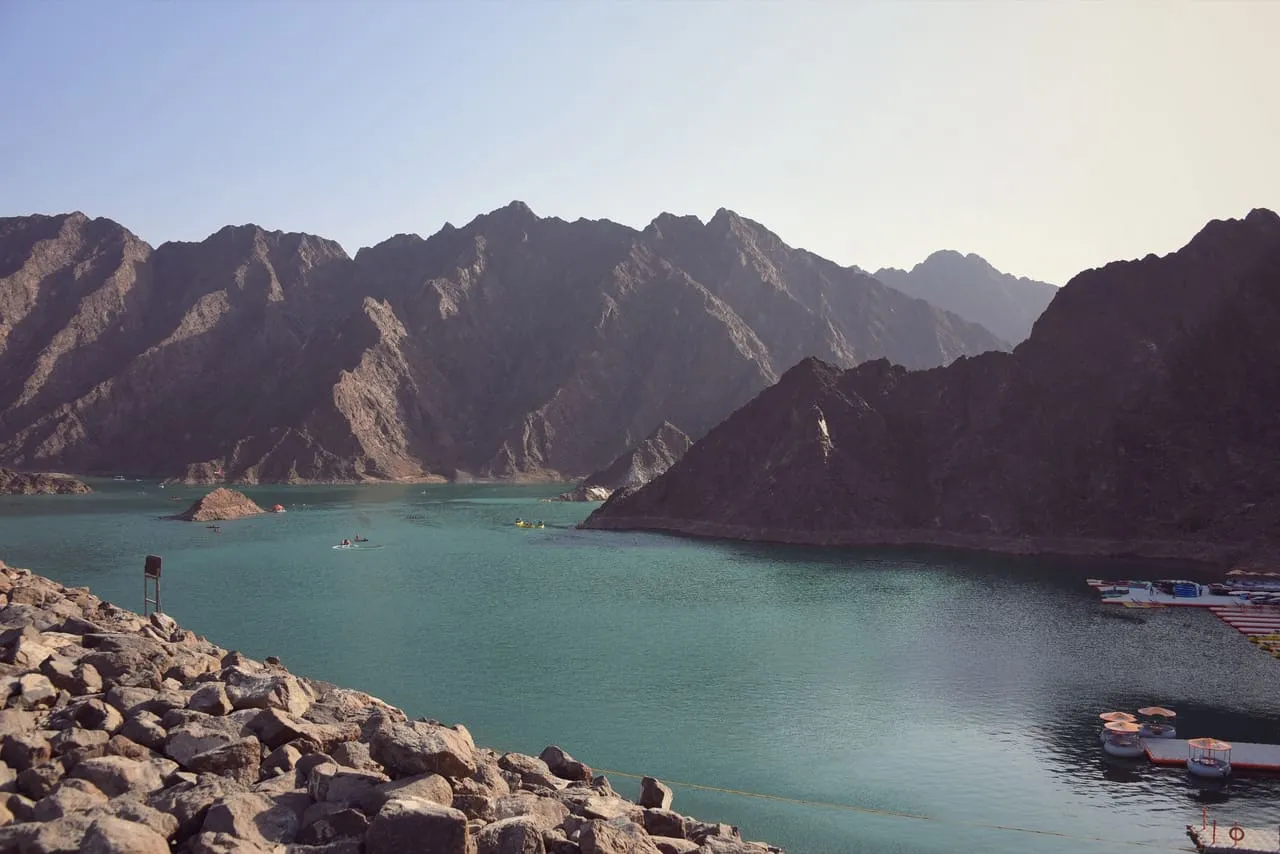
  • Hatta Dam's green reservoir between the bare peaks of the Hajar Mountains in Hatta, Dubai
    Updated 17 October 2026

    Day trips from Dubai

    Day trips from Dubai by road: Abu Dhabi, Al Ain, Sharjah, Hatta, Jebel Jais, Fujairah and Musandam, with drive times, best months and passport rules.

    Read the guide

    Photo: Srivath / Wikimedia Commons, CC BY-SA 4.0

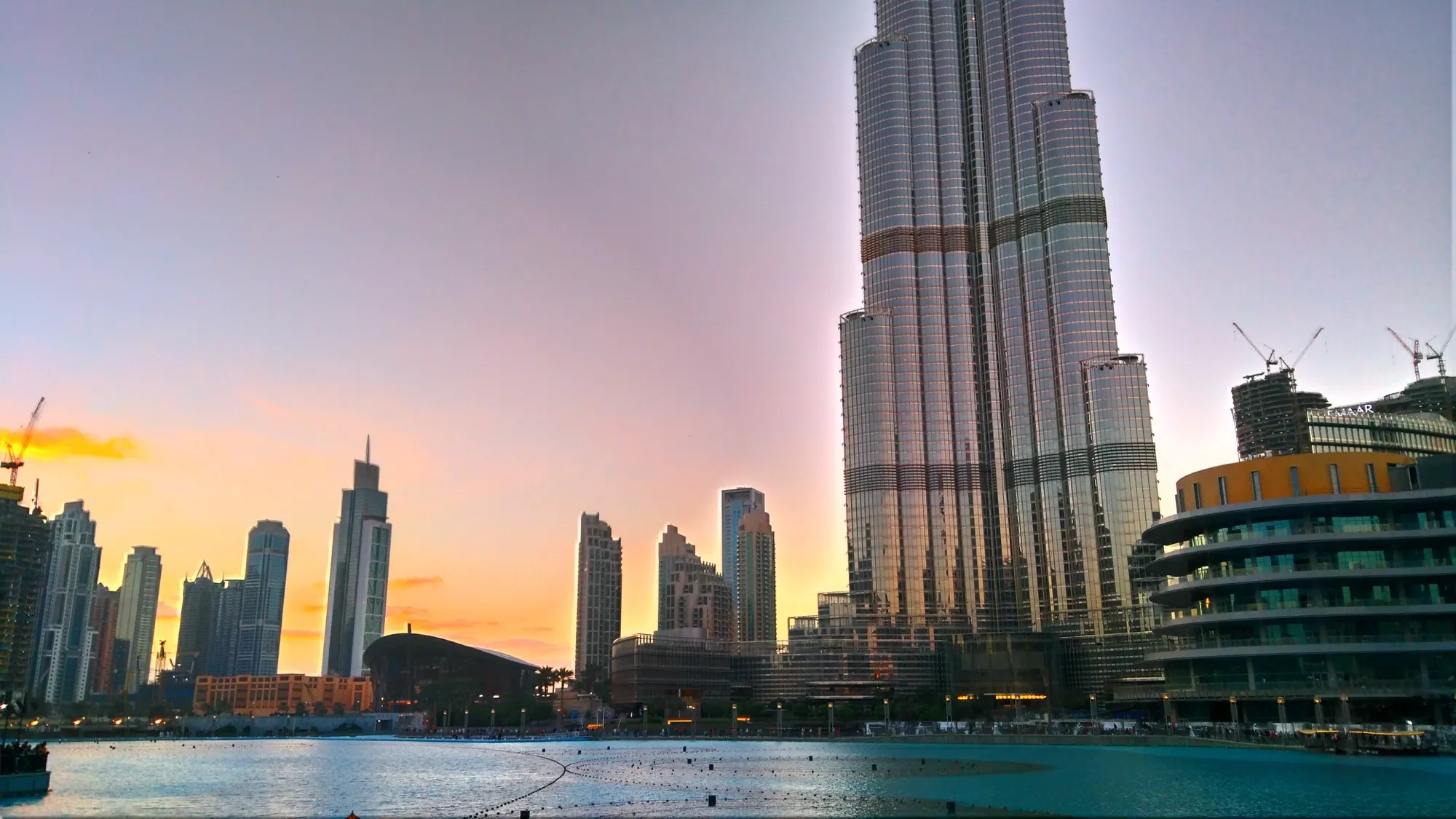
  • Burj Khalifa rising beside the Dubai Fountain lake in Downtown Dubai at sunset
    Updated 17 October 2026

    Places to visit in Dubai

    Dubai's main sights grouped by area: Downtown, Old Dubai, the coast and further out, with road distances between them and a one-day and two-day car plan.

    Read the guide

    Photo: Christian Raggini / Wikimedia Commons, CC0 1.0

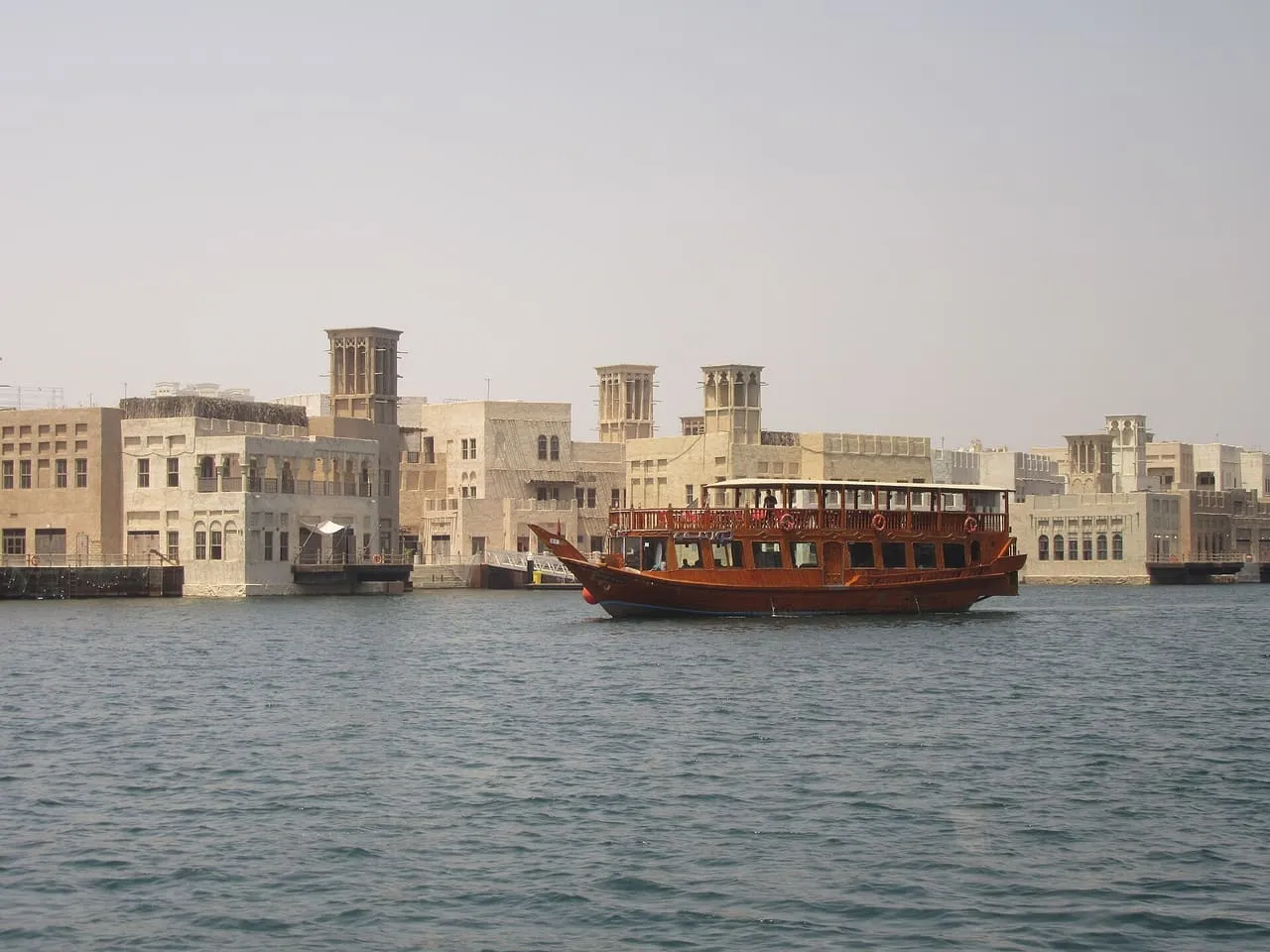
  • A two-deck wooden cruise dhow on Dubai Creek, passing wind-tower buildings on the Bur Dubai bank
    Updated 17 October 2026

    Dhow cruise: Marina, Creek or Canal

    Compare the three Dubai dhow cruises: Marina for the towers, Creek for Old Dubai, Canal for Downtown views. Routes, views, duration and how to pick one.

    Read the guide

    Photo: Alan & Flora Botting / Wikimedia Commons, CC BY-SA 2.0

Questions and answers

How do you take an abra across Dubai Creek?

Walk to the abra station on either bank, step down to the boat and sit on the bench. The boat leaves when it is full. The driver or an attendant collects AED 1 in cash during the crossing. Between Bur Dubai and Deira Old Souq the ride is a few minutes.

How much does an abra cost in Dubai?

RTA lists AED 1 per passenger per trip on the motorised traditional abra, paid in cash. Fares can change, so check RTA before you travel. A private charter is priced by the hour and is listed separately.

Where are the abra stations in Dubai?

RTA names Bur Dubai, Deira Old Souq, Dubai Old Souq and Al Sabkha for the traditional abra, and its timetable also lists Al Fahidi, Al Seef and Baniyas marine stations. The classic crossing links Bur Dubai and Deira Old Souq.

Can you pay for an abra by card?

RTA states cash for the traditional abra, so carry coins or small notes. We have not confirmed card or nol payment on abras. The electric abra routes are priced separately and RTA does not state their payment method.

Can you hire a private abra?

Yes. RTA lists charter rates for the traditional abra. Its marine transport page gives AED 120 per hour, while its timetable page lists AED 300 or AED 580 per hour for up to 20 passengers. Confirm the current rate and booking route with RTA before you plan around it.

What is the difference between an abra and a dhow cruise?

An abra is a public crossing of a few minutes that costs AED 1. A dhow cruise is an evening trip of roughly two hours with dinner. The abra gets you across the Creek, and the dhow shows you the Creek at night.

Plan your ride

Service

Opens WhatsApp with your trip filled in. Answered 24/7 on +971 56 684 8148.

Get a quoteWhatsApp