By Mohammed Rashad Hussain, Managing PartnerPublished 12 min read
What does corporate ground transport cover in the UAE?
Corporate ground transport is every road journey your company pays for in the Emirates. In practice it falls into five kinds of work.
- Airport programmes. New joiners, visiting directors and client guests met at Dubai International, Al Maktoum International, Zayed International in Abu Dhabi or Sharjah.
- Cars by the hour. One car and chauffeur held for a day of meetings between DIFC, Business Bay and Dubai Internet City.
- Intercity days. Downtown Dubai to central Abu Dhabi is about 139 km by road, roughly 1 hour 30 minutes without traffic.
- Staff transport. Fixed shift routes between staff accommodation and a site, warehouse or hotel, every working day.
- Events and delegations. Hotel shuttles during a show week, or a lead car with support vans for a visiting delegation.
Many companies run all five through one corporate chauffeur account, so the travel desk books in one place and finance gets one invoice. The sections below explain how each part works, what it costs to run, and what to check before you sign.
Which vehicle fits which job?
Pick the vehicle by passengers and large suitcases together. A car that seats 6 often takes only 3 checked bags once every seat is in use.
| Vehicle | Passengers | Large bags with every seat used | Typical corporate job | Supplied by |
|---|---|---|---|---|
| Lexus ES 300h | 3 | 2 | Staff airport runs, daily meetings | Assure fleet |
| Mercedes-Benz S-Class, BMW 7 Series | 3 | 2 | Board members, VIP guests, roadshows | Assure fleet |
| GMC Yukon, Cadillac Escalade | 6 | 3 | Small teams, executives with luggage | Assure fleet |
| Mercedes-Benz V-Class | 6 | 4 | Team arrivals, delegation support car | Assure fleet |
| Kia Carnival, Hyundai Staria, Citroen SpaceTourer | 6 | 2 to 3 | Team transfers across town | Assure fleet |
| Mercedes-Benz Sprinter | 13 or 19, by layout | 6 (13-seat) or 3 (19-seat) | Stand teams, hotel shuttles | Assure fleet |
| Toyota Hiace | 12 | 3 | Staff shuttles | Partner network, subject to availability |
| Coaches | 35 or 50 | 15 or 35 | Conference transfers, shift buses | Partner network, subject to availability |
Seat and bag counts come from manufacturer specifications and the Assure fleet records. The bag column is the one buyers get wrong. Five colleagues with a large suitcase each will not fit a 3-bag Escalade, or even the 4-bag V-Class. They need the 13-seat Sprinter, or two cars.
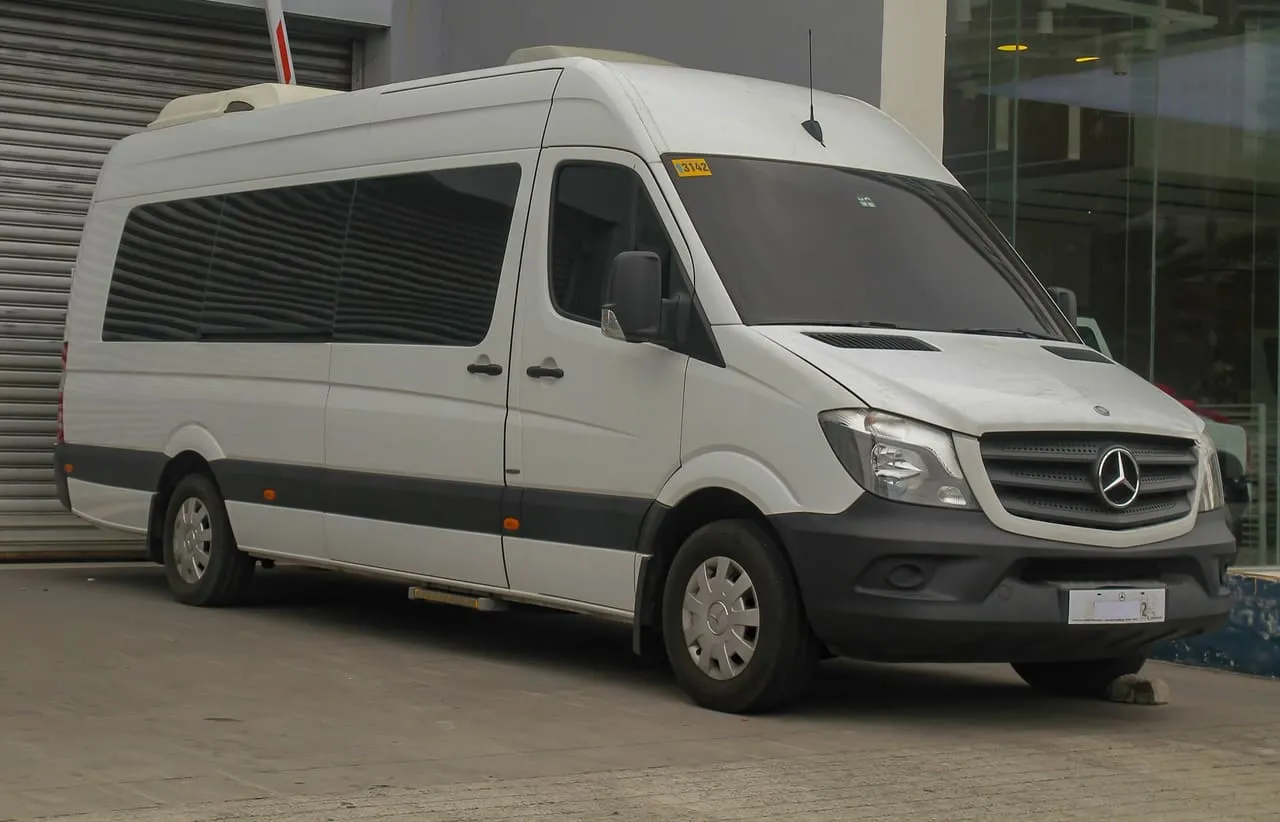
For one to three passengers, book a sedan through our chauffeur service. Four to seven people go in a van with a driver. Groups of 8 to 19 suit minibus rental with a driver, and 20 or more need bus rental, with buses from 23 seats supplied by partners, subject to availability.
Setting a car policy by traveller grade
A written car policy stops every booker from choosing the car case by case. It also makes the monthly invoice easier to check, because each line can be compared with the grade of the traveller.
| Traveller | Default car | When to upgrade |
|---|---|---|
| Board members, C-suite, VIP guests | Mercedes-Benz S-Class or BMW 7 Series | A private jet arrival or a government meeting may call for a Cadillac Escalade |
| Directors and senior managers | Lexus ES 300h | A GMC Yukon when travelling with samples, display kit or more than 2 large bags |
| Staff, interns and new joiners | Lexus ES 300h, shared where routes match | A van when 4 or more arrive on the same flight |
| Teams of 7 to 19 | Mercedes-Benz Sprinter | Split into two vehicles if the team needs to leave at different times |
| Groups of 20 or more | Coach through the partner network | Add a sedan for anyone who must leave early |
Write two more rules into the policy. First, who may approve an upgrade, and how. Many companies accept a WhatsApp message from the account contact. Second, whether bookers may add stops. A shopping stop at The Dubai Mall on the way back from DXB adds waiting time to the bill.
Put the car class and the bag count in every booking message. The chauffeur then brings the right car to Terminal 3 instead of finding out in the car park that the bags do not fit.
How is corporate transport priced and billed?
Operators quote corporate work on four rate bases.
- Per transfer: a fixed price from one address to another, such as DXB Terminal 3 to a hotel in Dubai Marina.
- Per hour: the car and chauffeur stay with the traveller, usually with a minimum number of hours set in the contract.
- Half day or full day: common for roadshows and Abu Dhabi trips.
- Monthly contract: a car on set days, or a staff bus on a fixed route.
The quote moves with the vehicle class, the distance, the hours, the time of day, waiting time, parking, extra stops and whether the trip is one way or return. Tolls are a separate line: Dubai uses Salik gates and Abu Dhabi uses Darb. Since 4 May 2026, the Darb gate at Ghantoot on Sheikh Maktoum bin Rashid Street, the road into Abu Dhabi from Dubai, charges every crossing, 24 hours a day.
In Dubai, licensed limousine operators cannot undercut the taxi meter. The RTA permit for luxury passenger transport requires the operator’s tariff to be higher than the Dubai taxi tariff. In Ras Al Khaimah, RAKTA states that limousine charges are at least 30% above taxi fares. A limousine quote below a taxi fare is a reason to ask whose licence the car runs under.
VAT in the UAE runs at a standard 5 per cent, and every monthly bill should be a tax invoice carrying the supplier’s TRN. Federal Tax Authority guidance splits passenger transport into exempt domestic trips and zero-rated international ones, so the treatment can differ line by line.
Assure does not publish prices. Each account gets a written proposal, and single trips are quoted on WhatsApp. Invoice contents, VAT lines, bookers and credit terms are covered step by step in how a corporate chauffeur account works.
How to forecast your volume for a proposal
A vendor can only price an account well if it knows the mix of work. Pull last quarter’s taxi claims, travel agency bookings and expense reports, then count trips in five buckets.
- Airport arrivals and departures, split by airport. DWC is about 49 km from Downtown Dubai by road, against about 18 km for DXB.
- Hourly bookings, with the usual number of hours per booking.
- Full days, including Abu Dhabi and the Northern Emirates.
- Night trips between midnight and 6 am, which some operators price differently.
- Group moves, with the largest group size you expect.
Divide each bucket by three for a monthly figure, then add the events you already know about, such as a product launch or a show week. Send the result with your request for proposal. A rough range is fine. A vendor that sees “about 60 airport trips a month, mostly DXB Terminal 3” can plan cars and chauffeurs, where “ad hoc” tells it nothing.
Review the forecast after the first three months of invoices. If hourly bookings run far above the plan, a monthly driver may cost less than many separate bookings.
Who licenses chauffeur and bus operators in each emirate?
Dubai, Abu Dhabi, Sharjah and Ras Al Khaimah each regulate passenger transport through their own authority, so the right permit depends on where the trip starts.
| Emirate | Authority | What to ask the vendor for |
|---|---|---|
| Dubai | Roads and Transport Authority (RTA) | The RTA permit for Passenger Transport by Luxury Motor Vehicles, plus the trade licence from the Department of Economy and Tourism (DET) or a free zone |
| Abu Dhabi | Integrated Transport Centre, now Abu Dhabi Mobility | For buses, the passenger bus transport operation permit, vehicle permits and driver permits issued through the Asateel platform |
| Sharjah | Sharjah Roads and Transport Authority (SRTA) | The SRTA permit that covers trips starting in Sharjah |
| Ras Al Khaimah | RAK Transport Authority (RAKTA) | RAKTA licensing for limousine or employee transport companies, or for an out-of-RAK company holding a transport contract there |
| Ajman, Umm Al Quwain, Fujairah | Not covered in this guide | Ask the vendor which authority’s permit covers trips that start there |
The Dubai permit sets conditions buyers can check. The operator lodges a cash or bank guarantee in RTA’s favour and keeps a headquarters to manage the fleet. It links its booking systems to RTA’s electronic platform and signs up to RTA’s service level agreements. RTA also approves the vehicle categories, the number of cars and how long each car may stay in service. For work outside Dubai, the same card points operators to the Federal Authority for Land and Maritime Transport.
In Abu Dhabi, a bus operator gets its permits only for vehicles with a working on-board tracking device. That is a useful question for any staff bus contract in the capital.
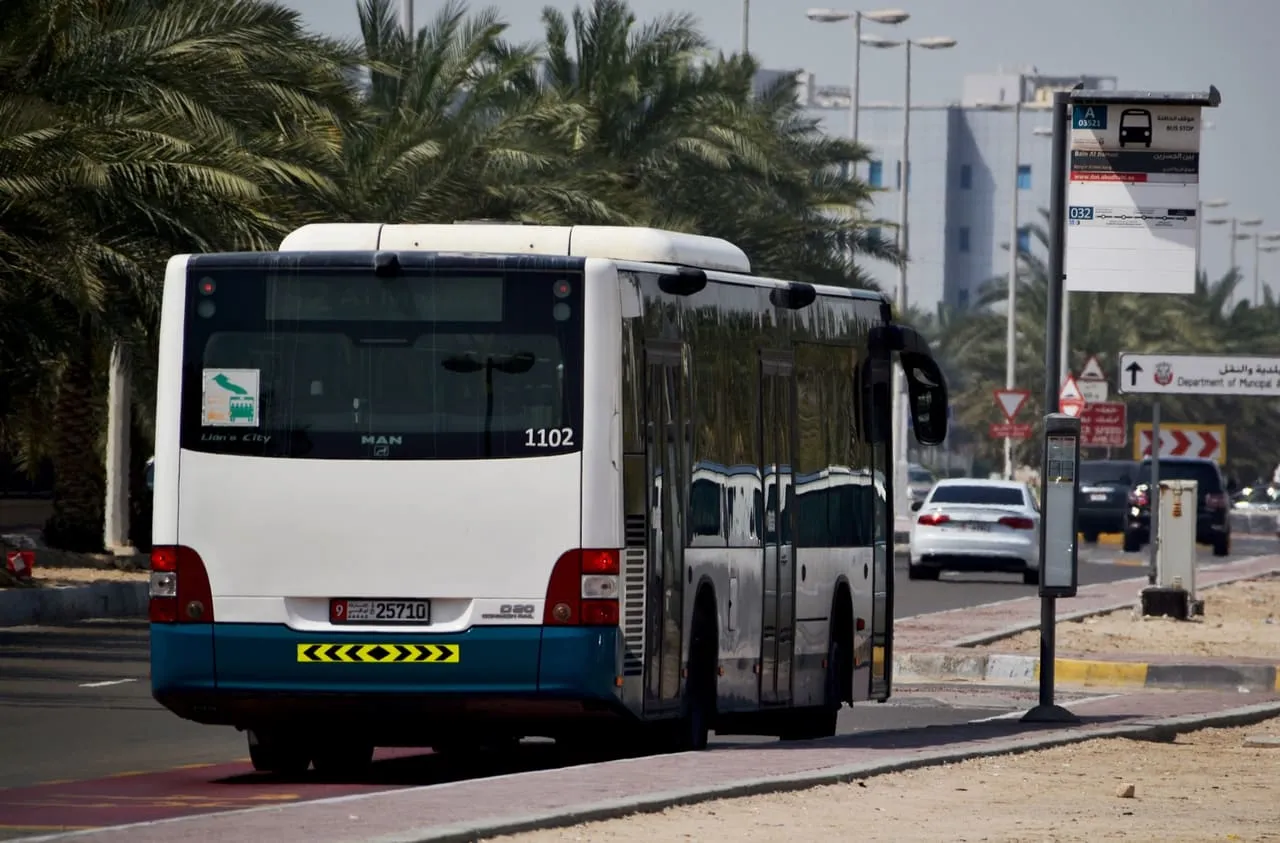
Assure is RTA licensed in Dubai and drives from Dubai to every emirate. A trip that starts and ends inside another emirate is confirmed per booking, through a partner licensed there where needed. Our explainer on what an RTA-licensed limousine is covers the permit in more depth.
Drive times from Downtown Dubai
| To | Road distance | Without traffic |
|---|---|---|
| Sharjah | about 26 km | about 27 minutes |
| Ajman | about 45 km | about 38 minutes |
| Umm Al Quwain | about 64 km | about 55 minutes |
| Ras Al Khaimah | about 109 km | about 1 hour 20 minutes |
| Fujairah | about 120 km | about 1 hour 30 minutes |
| Al Ain | about 136 km | about 1 hour 30 minutes |
| Abu Dhabi | about 139 km | about 1 hour 30 minutes |
These are OSRM figures on OpenStreetMap roads, checked on 17 October 2026. Rush hour on Sheikh Zayed Road and the Sharjah crossings adds a lot, so plan around arrival times rather than departure times.
Three playbooks: staff, events and delegations
Staff transport
A staff contract moves the same people on the same route at the same times. Write down the headcount per shift, every pickup point, the shift start and end times, and the working days. Then size the vehicles. A shift of 40 fits one 50-seat coach, or two 19-seat Sprinters plus a car.
Ask what happens when a bus breaks down at 5 am. The contract should name the replacement vehicle and how long it takes to arrive. In Ras Al Khaimah, RAKTA licenses companies that provide employee transport, so a site there needs a vendor on that licence. Our staff transport page sets out how Assure scopes these contracts, with buses supplied through partners.
Events and conferences
Dubai’s big shows use two main venues: Dubai World Trade Centre on Sheikh Zayed Road, and the Dubai Exhibition Centre at Expo City. Expo City is about 39 km from Downtown Dubai, 37 minutes without traffic. Abu Dhabi shows use ADNEC.
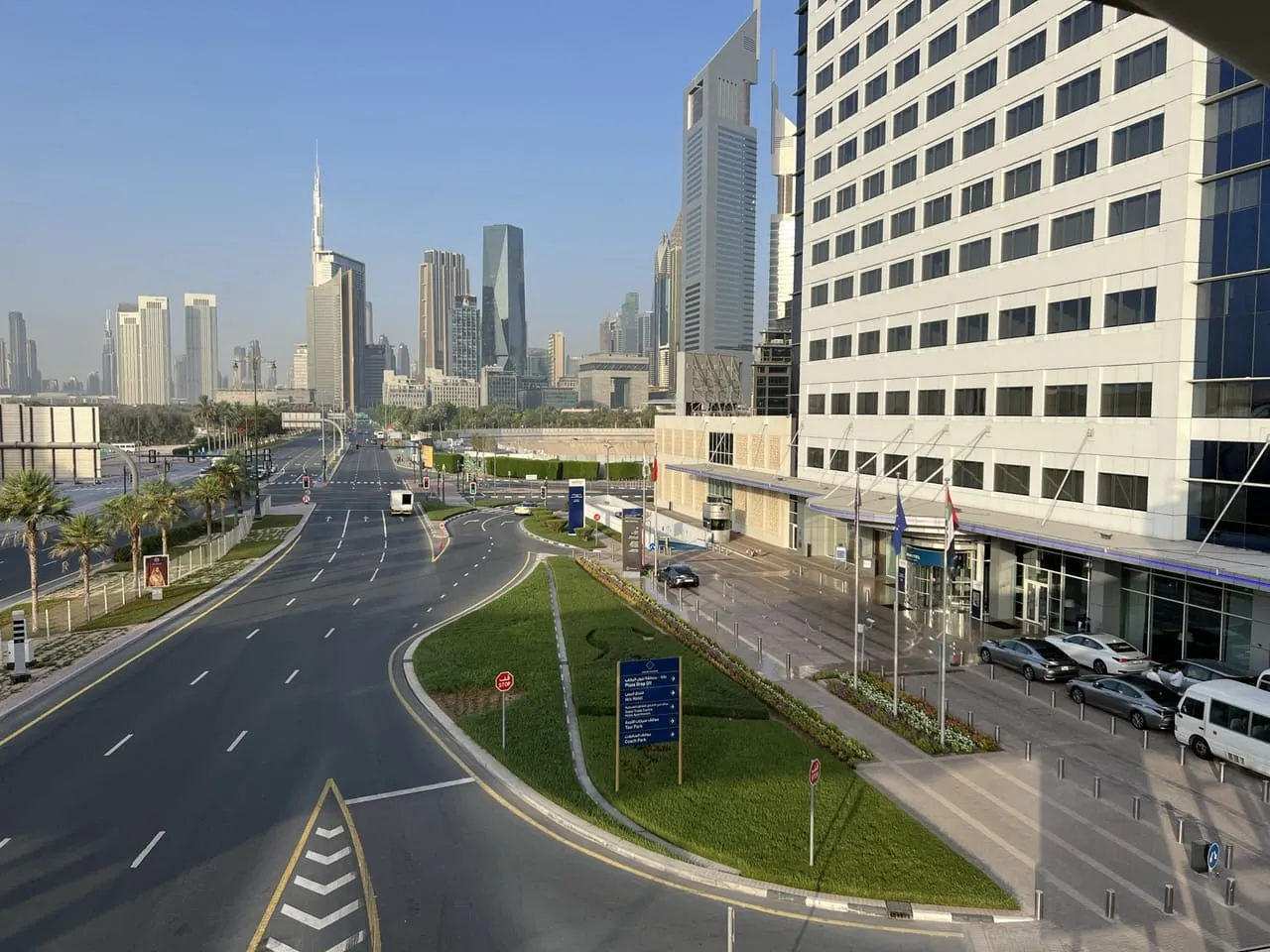
Plan shuttles as loops, not single runs. For a full delegate programme, our events and MICE team plans the arrivals, hotel loops and venue drops from one brief. A stand team of 24 flying in together fits two 13-seat Sprinters, which take about 12 large bags between them. Send the hotel list and the daily schedule early, because demand for cars peaks in show weeks. The events calendar guide lists the weeks to book ahead.
Delegations
A visiting delegation usually needs a lead car, support vehicles and a luggage plan. A common set-up is an S-Class for the head of delegation, V-Class vans for the team, and a 13-seat Sprinter for advisers and bags.
Keep the same chauffeurs for the whole visit, so they learn the programme and the people. For an Abu Dhabi day, allow about 3 hours of driving for the round trip. Meet and greet at DXB, Zayed International or a private jet terminal is covered on our airport transfers page.
Working with travel agents, DMCs and hotels
Many corporate trips are booked through a third party. An overseas agency may hand a Dubai programme to a destination management company (DMC), and the DMC then buys transport from operators.
If your company works this way, three things matter. The transport company must hold the right permit, whoever sells the trip. The name board should show the traveller’s name, not a supplier’s. And one person must own the manifest, so changes reach the chauffeur. Our guide to what a DMC in Dubai does explains the roles. Assure also arranges inbound group programmes itself, and agencies and DMCs booking for their own clients can apply for a trade account with Assure.
How do you choose and audit a transport vendor?
Start with documents, then test the service.
- Documents: the trade licence, the RTA permit or the permit for the emirate where trips start, the motor insurance schedule, and a vehicle list with model years.
- Partner cars: many operators add cars from partners, which RTA’s Takamul permit has allowed under set conditions since March 2025. Ask whose licence each car runs under.
- Written service answers: booking response time, waiting time, the replacement-car process, cancellation windows and the invoice format.
- A trial: run one month of real trips before you commit to a year.
Our corporate transport RFQ checklist turns this into 25 questions you can send to each vendor.
Five mistakes that cost corporate buyers money
- Comparing quotes without tolls and parking. Two day-hire quotes for Dubai to Abu Dhabi can look equal until one adds every Salik and Darb crossing and the other folds them in.
- Booking by pickup time instead of flight number. A flight into Terminal 3 that lands 40 minutes early leaves the guest waiting if the car was booked for the scheduled time.
- Sizing groups by seats alone. A 19-seat Sprinter full of people has room for about 3 large suitcases.
- Letting anyone book. Without a named list of bookers, upgrades and extra stops reach the invoice before anyone approves them.
- Sending late changes to one person’s email. A change at 11 pm should go to the 24/7 channel the contract names, not to an account manager who is asleep.
Duty of care: what your travellers should expect on every trip
Your company is responsible for the people it puts in a car. Set these as minimum standards in the contract.
- The chauffeur’s name, mobile number and plate number sent before pickup.
- Meet and greet inside the arrivals hall, with the traveller’s name on a board.
- Pickup times that follow the real landing time, not the schedule.
- A desk that answers at any hour. Assure answers WhatsApp and phone 24/7 on +971 56 684 8148.
- A clear rule for lone travellers arriving late at night: who they call, and who calls them.
Passenger data needs care too. Names, flight numbers and phone numbers are personal data under Federal Decree-Law No. 45 of 2021, in force since 2 January 2022. The law bars processing without consent, with limited exceptions, and sets rules for sending data abroad. Ask each vendor who sees your manifests and how long it keeps them.
Guides in this series
- How a corporate chauffeur account works: opening an account, daily booking, the monthly invoice and spend controls.
- Corporate transport RFQ checklist: 25 questions for a Dubai chauffeur or bus company, with a scoring method.
- What is a DMC in Dubai?: how destination management companies plan programmes and buy ground transport.
Photos in this guide

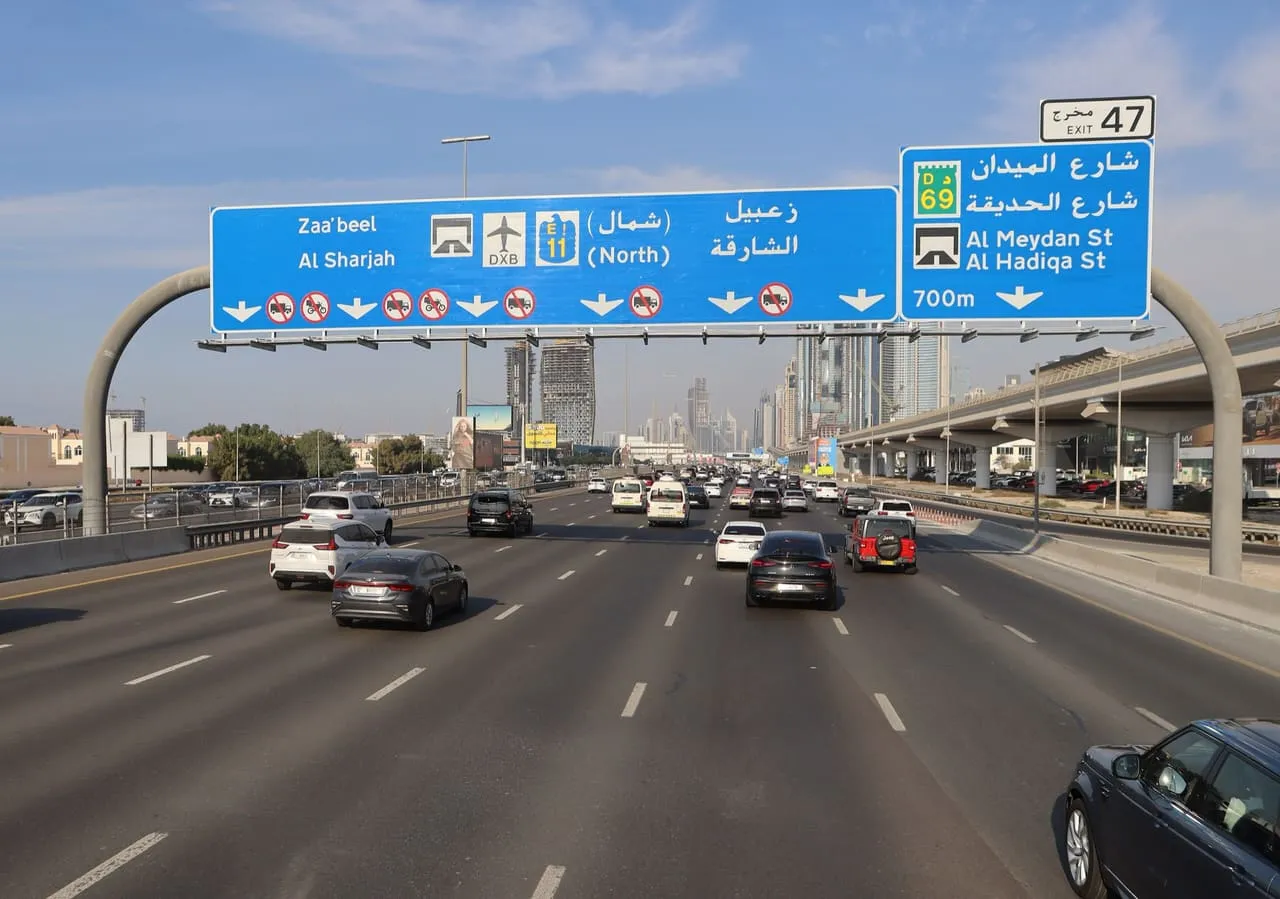
Traffic on Sheikh Zayed Road in Dubai under overhead signs for Sharjah, DXB airport and Al Meydan StreetCoolcaesar / Wikimedia Commons, CC BY 4.0

A white high-roof Mercedes-Benz Sprinter minibus with passenger windows along its sideEthan Llamas / Wikimedia Commons, CC BY-SA 4.0

A public city bus at a bus stop on a palm-lined street in Abu DhabiMosbatho / Wikimedia Commons, CC BY 4.0

The Dubai World Trade Centre complex beside Sheikh Zayed Road, with the Downtown Dubai skyline behindHawkeye7 / Wikimedia Commons, CC BY-SA 4.0