By Mohammed Rashad Hussain, Managing PartnerPublished 4 min read
Most agencies that sell Dubai holidays do not own a car. They buy the ground part from a local operator and want the traveller to see only their own name. That is white-label, and the details matter more than the label.
What is a white-label transfer?
In a white-label transfer the operator drives and the agency sells. The car, the RTA-licensed chauffeur and the dispatch come from the operator. The agency owns the customer, sets the retail price and handles the first contact.
It differs from a referral. In a referral you pass the client on and the supplier bills them. In white-label the supplier bills you, and the traveller never sees the supplier’s rate.
What carries your brand?
Four things reach the traveller, and each can carry your name:
- The name board. The chauffeur holds a board in the arrivals hall. It can show the guest’s name with your agency name or logo beside it.
- The voucher. The confirmation your client receives says your agency, the flight, the pickup time and the contact number you choose.
- The messages. Pickup details go out on WhatsApp or email under your wording, with the driver’s name and car.
- The greeting. The chauffeur introduces the trip as arranged by your agency.
If you want a particular class, our limousine service and the partner cars we can add, available through our partner network, subject to availability, are listed by seats and luggage.
At DXB Terminal 3, Dubai Airports runs DXB Greet and Go, a QR-code pickup service for licensed hotels, limousine providers and tour operators. Registration needs a trade licence. See our meet and greet explained guide for how it sits beside a name board.
How does a booking flow from agent to operator?
- You send the traveller’s name, flight number, date, pickup and drop-off, and the number of passengers and bags.
- We reply with a net quote for the route and car on WhatsApp.
- You confirm, add your margin and issue your own voucher.
- We assign a chauffeur and send you the driver and car details to forward.
- On the day the driver tracks the flight and meets the guest at arrivals.
For airport pickups the details are the same as any booking. See airport transfers for terminals and meeting points.
Who talks to the traveller?
Decide this before the first booking, and write it down:
- Day of travel only: our dispatcher messages the guest with meeting point and driver details, in your wording.
- Through you: we message you, and you forward everything.
- Mixed: you handle quotes and changes, we handle the arrival day.
Agencies selling to families or first-time visitors usually prefer the mixed option, because a guest who has just landed wants one number to call.
Delays, no-shows and complaints
- Late flights: the chauffeur follows the real landing time, so the pickup moves with it.
- No-shows: if the guest does not appear, the driver calls our dispatch, and we contact you. Agree how long the driver waits before the trip is closed.
- Complaints: they reach you first. We send you the trip facts, such as the pickup time and flight status, so you can reply with evidence.
Our line is open 24/7 on WhatsApp and phone, which matters when your client lands at 03:00 and you are asleep.
What goes in the partner agreement?
Ask for these in writing, not by phone:
- How long a quoted rate stays valid.
- Payment and credit terms.
- Cancellation and change rules for each class of trip.
- Waiting time and what happens after it.
- Who handles complaints, and who holds the passenger’s contact details.
- What the operator may say to your client.
Rate validity, credit and cancellation terms are agreed with each partner. We do not publish a standard set here. The travel trade partners page explains how to start the conversation.
How are B2B transfer rates built?
Net rates are built from the same factors as any private transfer: the route, the vehicle class, the time of day, extra stops and waiting. Quotes are sent on WhatsApp. The agent’s margin sits on top, which is why net rates are not shown on a public page. Repeat volume, such as weekly arrivals, is easier to price than one-off bookings, and a written programme helps. The principles are in our corporate chauffeur accounts guide.
Hotel concierge partnerships
A hotel concierge can book transfers for guests with the hotel’s name on the arrival board. Hotels and airports each set rules for who may collect guests and where, so the hotel and the operator agree the pickup point before the first booking. For the service itself, see hotel transport. Terms for hotel partners are agreed one by one.
Is white-label right for your agency?
It fits if you want to own the client, sell ground transport without running cars and rely on one operator for every arrival. It fits less well if the client expects the operator’s name. Your agency’s licence, tax treatment and the rules on sharing passenger details with a supplier sit with your own adviser, so check them before signing. If you also sell group programmes, read how a DMC works and the inbound group ground handling checklist. The wider corporate picture is in the corporate ground transport guide, and corporate transport covers accounts.
Photos in this guide

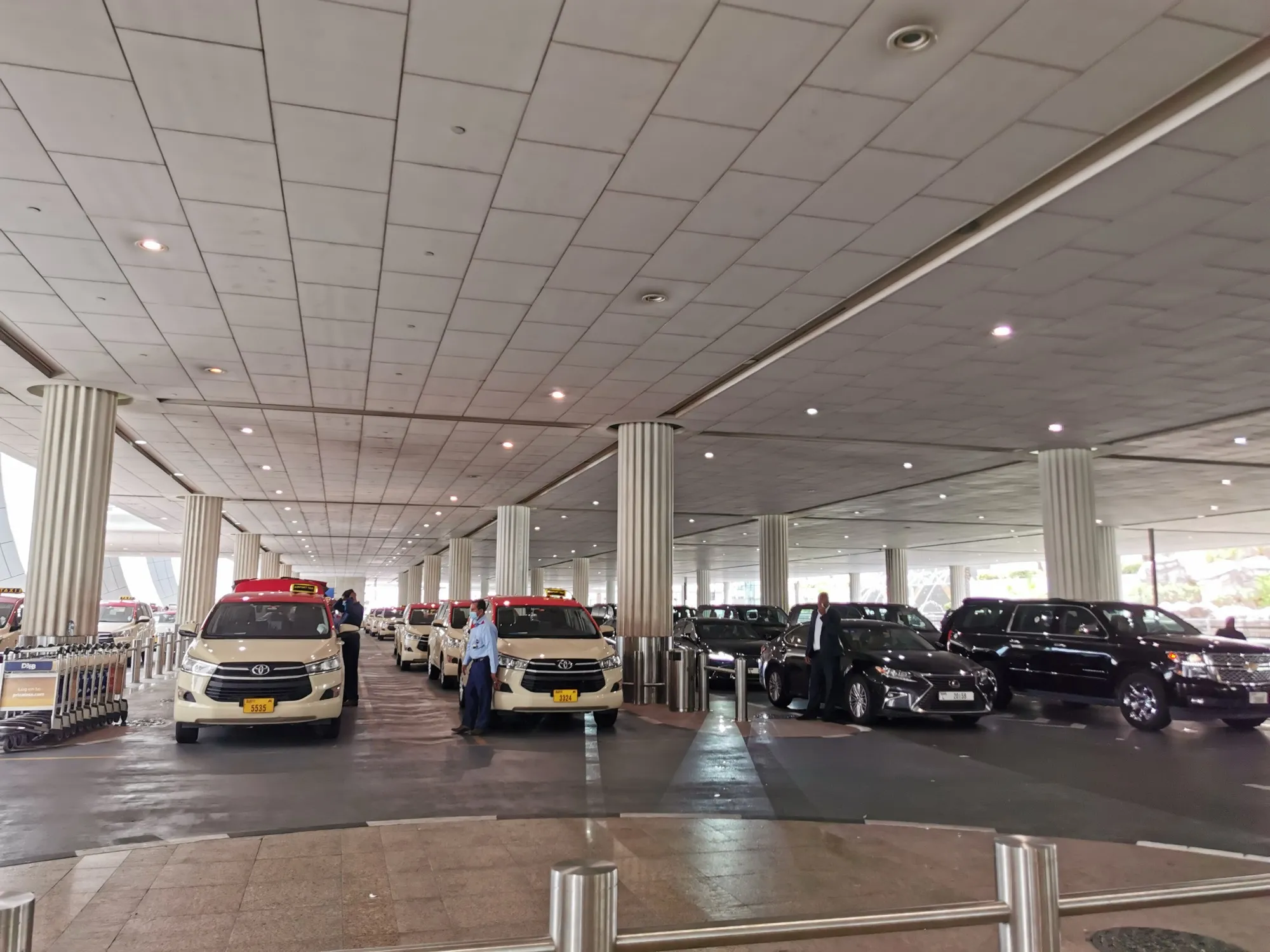
Dubai Taxi cars and black limousines waiting under the arrivals canopy at Dubai InternationalAhmed / Wikimedia Commons, CC BY-SA 4.0

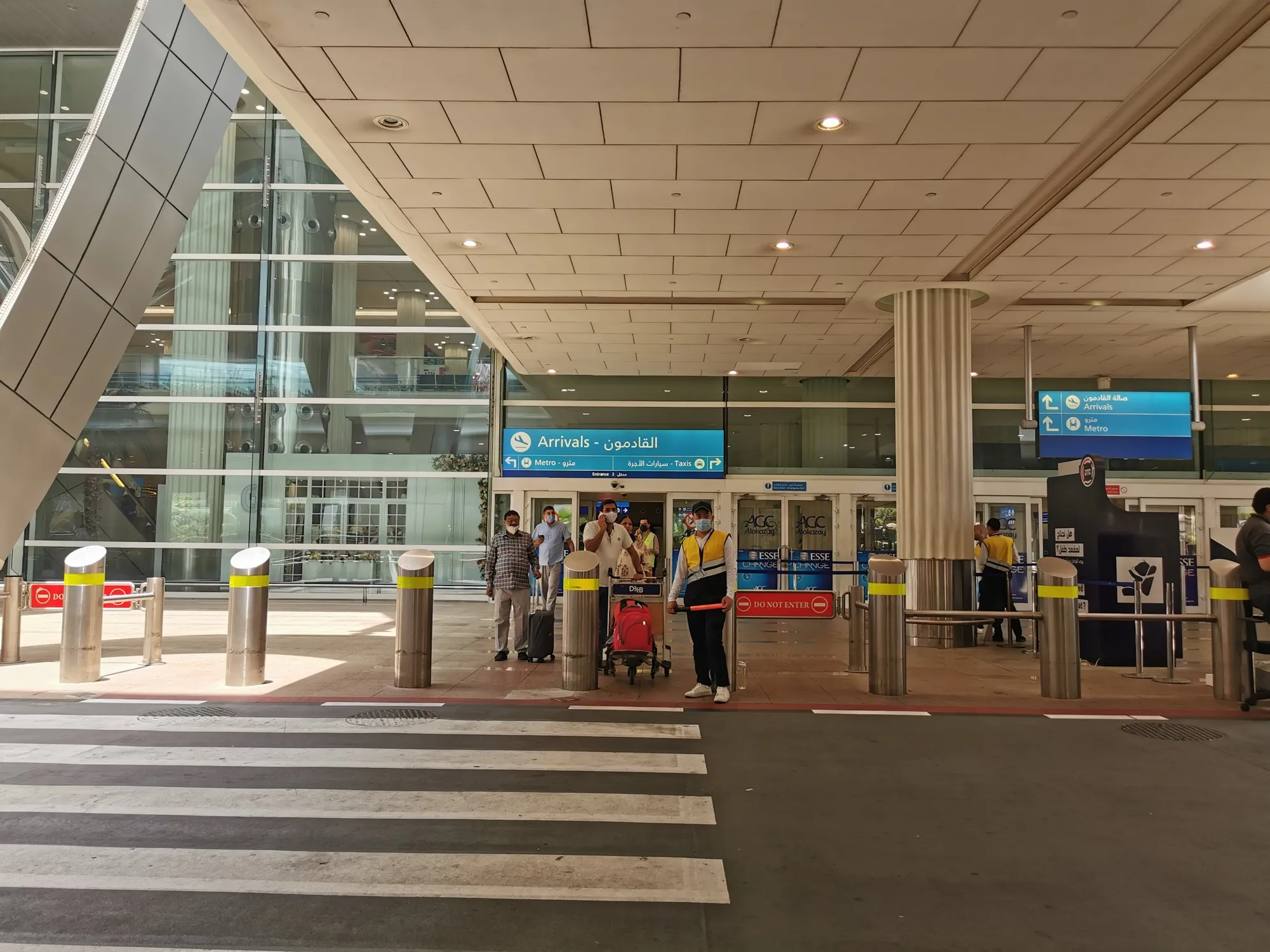
Arrivals exit at Dubai International, with signs to the metro and taxisAhmed / Wikimedia Commons, CC BY-SA 4.0

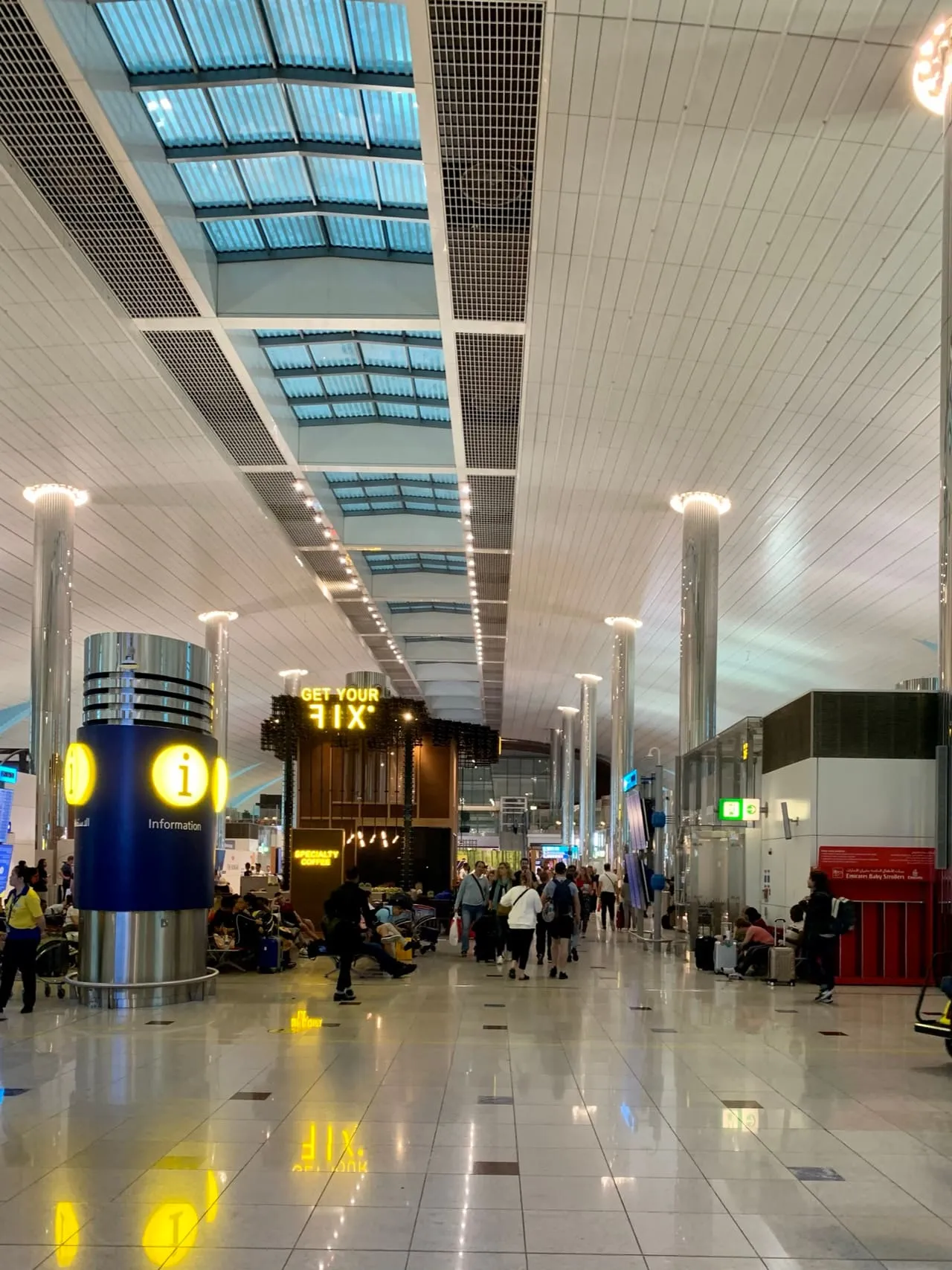
Information point and shops along a Terminal 3 concourse at Dubai InternationalKgbo / Wikimedia Commons, CC BY-SA 4.0

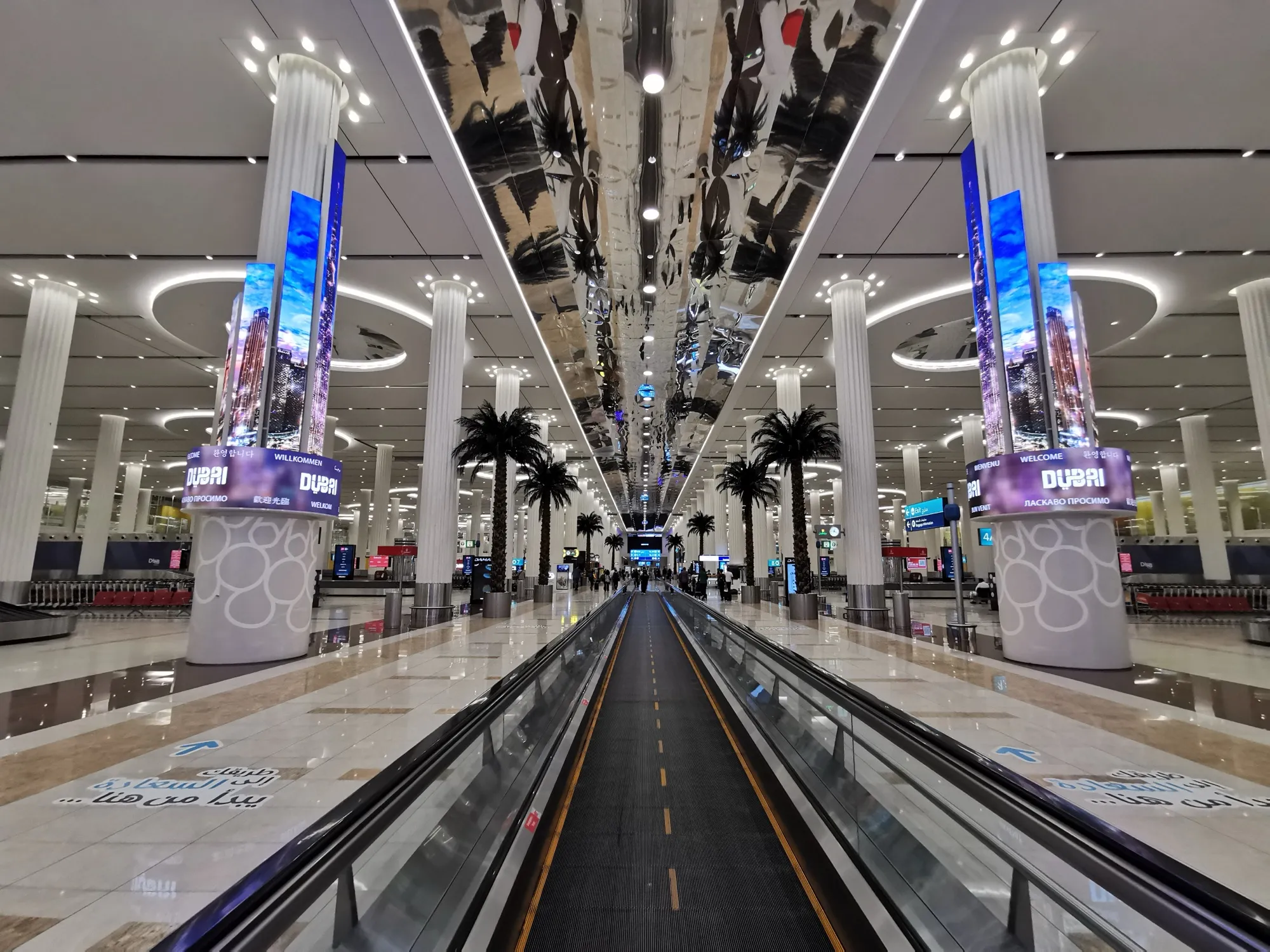
Travelator through the baggage reclaim hall at Dubai International, between screens reading Welcome to DubaiAhmed / Wikimedia Commons, CC BY-SA 4.0